




Melanoma remains the most aggressive type of skin cancer, although it is much less common than other forms. WHO's 2020 statistics – of more than 325,000 patients and 57,000 deaths – clearly illustrate how serious a challenge it is for modern medicine to fight the disease.
The main threat of melanoma lies in its tendency to rapid metastasis. When the disease progresses to metastatic melanoma, affecting the brain, lungs, liver, or bone tissue, the therapeutic options narrow and the clinical prognosis becomes less comforting.
Today, global oncology is moving away from universal treatments in favor of personalized strategies, where immunotherapy is central. The usage of dendritic cells is considered one of the most promising methods of treatment, as it is based on the mobilization of the body's internal forces. This technology is not just trying to eliminate tumor cells directly, but is aimed at activating the immune system to launch powerful immune responses capable of identifying and neutralizing a threat. Today, dendritic cell therapy for melanoma is one of the most progressive strategies that allows you to teach the body to systematically fight the tumor [1].
German medical centers attract patients precisely thanks to the coordinated cooperation of oncologists and immunologists, which ensures comprehensive control over the disease. This synergistic effect allows German medicine to demonstrate results that are often ahead of the world average, turning the country into the main reference point for those looking for the most advanced and safe methods of treating melanoma. In 2025, this country's melanoma treatment options increasingly include innovative immune-based therapies, especially dendritic cell vaccination, offered in world-famous oncology clinics.
Understanding Melanoma and Why It Is Difficult to Treat
Melanoma cells originate in melanocytes – the pigment-producing cells located in the skin.
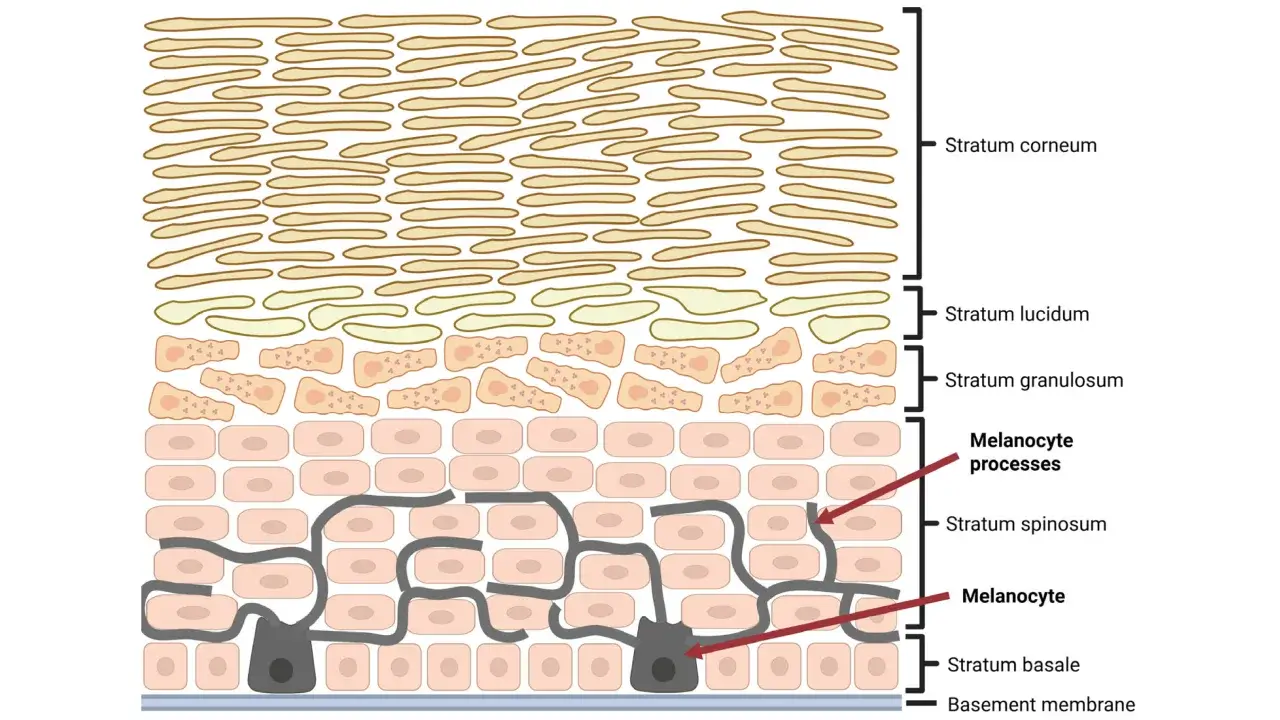
Although not as commonly diagnosed as basal cell carcinoma or squamous cell carcinoma, melanoma is considered the most critical form of skin cancer. Its aggressive nature and tendency to quickly form metastases make this diagnosis much more dangerous than other pathologies. It accounts for only about 1% of skin cancer cases but causes the vast majority of skin cancer deaths [2].
The most promising results in overcoming tumor resistance today are demonstrated by the dendritic cell vaccine. Melanoma stages from I to IV require an individual approach, but at each of these stages, immunotherapy can significantly improve the prognosis of survival:
- Stages I and II involve localized tumor cells that are confined to the skin. At these stages, melanoma patients can often be cured with surgical excision.
- Stage III is diagnosed when the tumor extends beyond the primary focus into adjacent lymph nodes.
- The most severe form is metastatic melanoma (stage IV), accompanied by the appearance of secondary neoplasms in the brain, lungs, or other organs distant from the initial site of cancer. Although this stage is considered the most critical for therapy, modern protocols of the world's leading clinics include dendritic cell immunotherapy for stage IV melanoma. Cancer ceases to be an unmanageable threat due to the activation of the body's deep defense mechanisms, which becomes a reliable solution for the low effectiveness of classical therapeutic approaches.
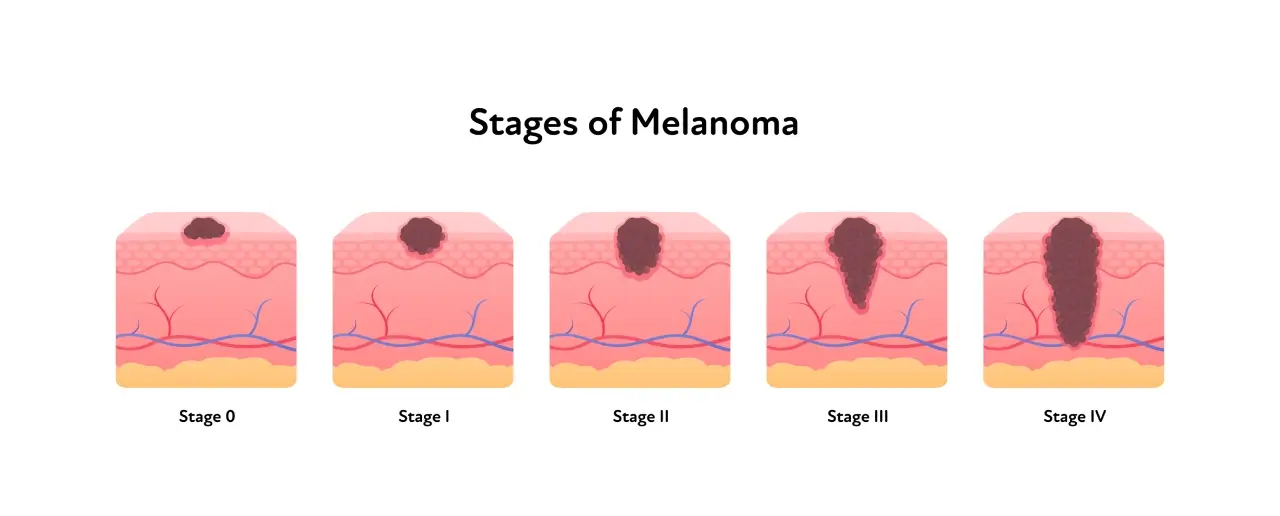
Once melanoma becomes metastatic, the five-year survival rate drops significantly. For patients who seek to reduce these risks as much as possible and activate systemic immunity, modern medicine offers a personalized dendritic cell vaccine. Melanoma staging plays a key role, since the statistics of the American Cancer Society show that if in the localized form, survival is 99%, then in metastases, this indicator drops to 35%. Microscopic melanoma cells can evade detection and later reactivate, often leading to a more aggressive recurrence. This is why long-term immune system surveillance is critical in cancer patients previously diagnosed with melanoma [3].
Traditional therapies, such as surgery, radiation, and chemotherapy, can remove or destroy visible tumor cells, but they often fail to eliminate microscopic disease or prevent recurrence. Chemotherapy, in particular, has limited effectiveness against metastatic melanoma, with response rates generally below 20%.
The drop from 99% survival in localized disease to 35% in metastatic melanoma is not primarily a treatment failure — it is a timing failure. Patients who reach stage IV have typically spent weeks or months navigating standard referral pathways before an innovative option is identified.
Booking Health's priority scheduling secures access to the relevant German immunotherapy center within 48 hours of initial contact, because for melanoma, the interval between diagnosis and the start of treatment is itself a clinical variable.
CHECK IF A BETTER SOLUTION EXISTS FOR YOUHow Dendritic Cell Therapy Works Against Melanoma
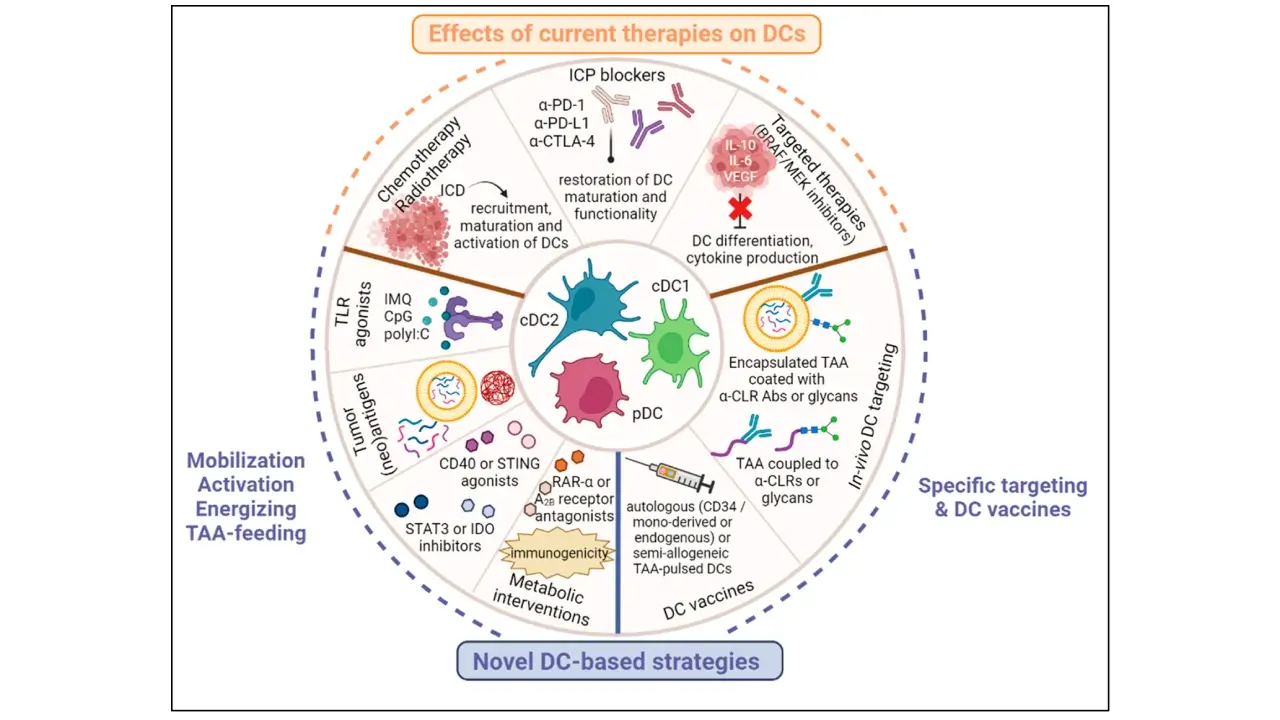
Dendritic cell therapy for melanoma is a form of personalized cancer immunotherapy that utilizes the power of the patient's own immune system to recognize and eliminate tumor cells. Dendritic cells in treatment of melanoma play a key role, being the most powerful antigen-presenting cells of the body. In the natural immune response, they perform the function of "sentinels", which capture specific tumor proteins and transmit information about them to T-lymphocytes, effectively training the system to identify the threat. To create a vaccine, these cells are saturated with the patient's tumor antigens in laboratory conditions, turning them into a high-precision cancer vaccine. Melanoma is independently tracked and attacked by the triggered defense mechanism throughout the body, even after the end of the active phase of treatment [4].
The Role of Dendritic Cells in the Immune Response
Dendritic cells are a specialized type of immune cell that serve as the body's most effective antigen-presenting cells. The main task of dendritic cells is to identify melanoma cells, capture them, and transmit information about tumor antigens to killer cells, namely cytotoxic T-lymphocytes. This initiates powerful immune responses that destroy tumor cells. The scientific rationale for dendritic cell therapy came from Ralph Steinman, whose research since the 1970s revolutionized immunology. He was awarded the Nobel Prize (2011) for the discovery of body defense mechanisms that became the basis for the treatment of malignant diseases [5].
Mechanism of Action of Dendritic Cell Therapy in Melanoma
The mechanism of action of DC therapy for melanoma – is a cascade immune reaction. The process is implemented through the following pathophysiological stages:
- Antigen presentationAdministered dendritic cells (DCs) migrate to lymph nodes, where they act as a "link" between the tumor and immunity, presenting T-lymphocytes with specific markers (antigens) of melanoma.
- Specific activationDCs give the immune system a double signal (via the MHC complex and CD80/86 costimulatory molecules), which converts inactive T-cells into aggressive T-killers.
- Clonal expansionActivated T-killers begin to rapidly divide, creating an army of thousands of effector cells that exclusively target tumor proteins.
- Targeted destructionT-killers infiltrate the tumor and metastases through the systemic circulation. They recognize cancer cells and destroy them by releasing perforins and granzymes.
- Starting an immune responseA ready-made dendritic cell vaccine for melanoma is administered to a patient (usually in the lymph nodes) to boost powerful systemic immune responses.
After injection, activated dendritic cells stimulate T-cells and natural killer cells to perform the following tasks:
- Generation of immune responses that identify melanoma cells using tumor antigen recognition.
- Targeted attack on cancer foci and destruction of metastases.
- Creating a stable immune memory that allows the body to independently detect and suppress relapses in the future.
How Dendritic Cell Therapy Is Performed in Melanoma
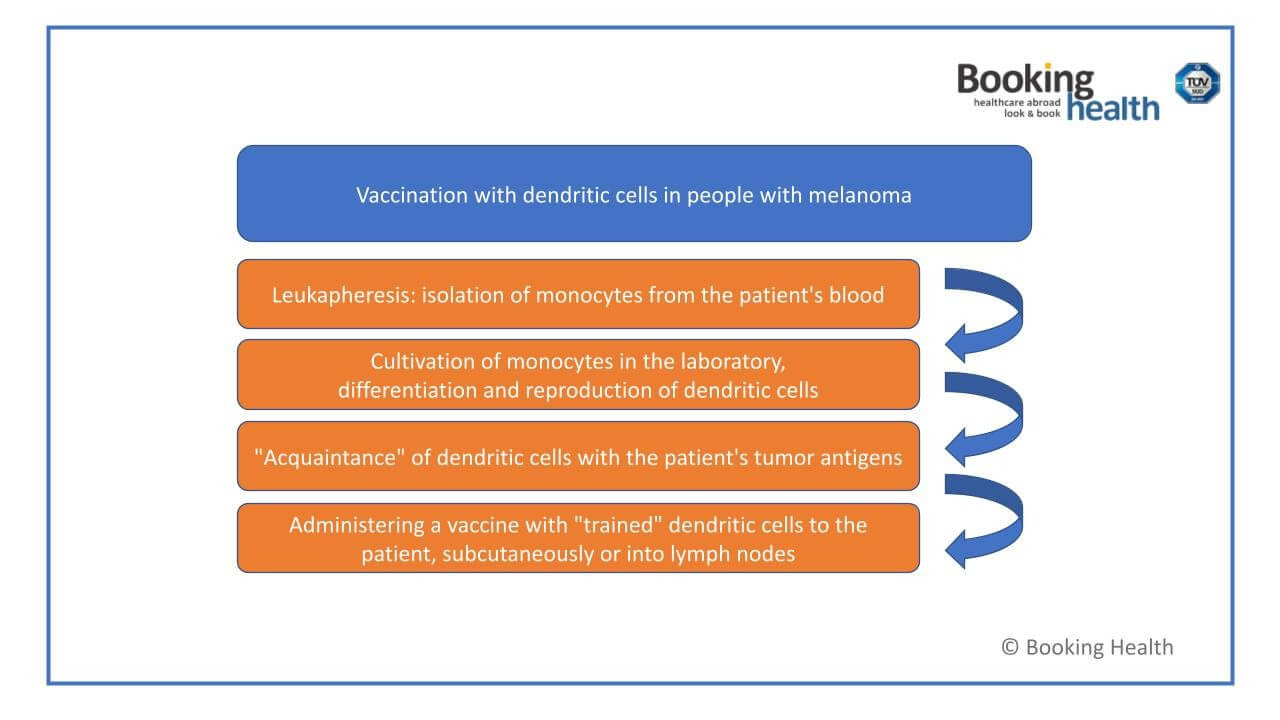
The treatment process begins with the preparation of an individual biological vaccine. As we mentioned above, dendritic cell immunotherapy for melanoma is based on the creation of a unique product for each patient. First, doctors focus on obtaining quality biomaterial that will become the basis for a future immune response. A typical program consists of the following steps:
Step 1: Blood Collection and Monocyte Isolation
The first step is a minimally invasive blood collection (approximately 150-200 ml), during which specialists receive monocytes for further laboratory maturation. Due to the fact that the procedure is outpatient, the patient may not change their usual schedule. This visit is fundamental, because it lays the base for the preparation of a personalized vaccine therapy for melanoma, using the body's own cells as the main resource.
After obtaining the cells comes the most technological stage, the goal of which is to develop a vaccine to treat melanoma. Specialists "train" cells to recognize a specific tumor, turning them into an active weapon against the oncological process.
Step 2: Laboratory Cultivation and Antigen Loading
In laboratory conditions, isolated monocytes are cultured with the addition of growth factors for their transformation into immature dendritic cells. As soon as the necessary cell mass accumulates, specific tumor antigens act on it, the source of which is most often a liquid biopsy that detects melanoma cells circulating in the blood. Antigens can also be obtained by analyzing tissues after surgery or created synthetically according to the genetic profile of the tumor.
Said exposure promotes antigenic presentation whereby the dendritic cells become capable of identifying tumor cells. The now activated dendritic cells are matured and prepared for injection as a personalized therapeutic vaccine.
The final stage consists of the introduction of the ready drug into the body, which is critically important when using a vaccine for metastatic melanoma.
Step 3: Vaccine Administration Methods
The method of administration directly affects the vaccine's effectiveness in triggering immune responses. Doctors select the route based on the patient's clinical condition and the stage of melanoma.
Main administration methods include:
Intradermal injection (into the skin):
- Activates ~1-2% of the injected immune cells
- Often used in early-stage patients
Subcutaneous injection (under the skin):
- Simple but less effective (<1% activation)
- Occasionally used when other methods are unsuitable
Injection into lymph nodes (guided by ultrasound):
- Most effective route: activates up to 80% of injected dendritic cells
- Recommended for advanced or metastatic melanoma
Intravenous infusion:
- Systemic immunotherapy is not always effective enough against melanoma, dendritic cells have a tendency to concentrate in internal organs, which significantly reduces the concentration of active components in the focus of the disease
- Rarely used unless no other option is available
It is important to understand that specific treatment protocols may vary slightly depending on the medical center, as specialists adapt the schedule to the needs of a particular organism.
Tailored to Melanoma Biology
The dosing schedule, route of administration, and vaccine composition are adjusted based on:
- Melanoma stage
- Tumor burden
- Presence of metastases
- Patient's overall immune profile
To achieve the maximum therapeutic effect, doctors use different methods of administering individual dendritic cell vaccines. Melanoma in the early stages may require intradermal injections after surgery, while in cases of widespread disease, the most effective approach is to inject the drug directly into the lymph nodes.
Dendritic-cell-based therapeutic cancer vaccines for melanoma provide the highest level of personalization aligned with the patient's unique tumor biology, improving outcomes and minimizing adverse effects.
The difference between intradermal administration activating 1-2% of injected cells and intranodal injection activating up to 80% is not a minor protocol variation — it is a clinically consequential decision that depends on disease stage, tumor burden, and the treating center's technical capability for ultrasound-guided intranodal injection. Not every center offering DC vaccination performs intranodal delivery.
Booking Health's physician-level case matching identifies which candidate centers have documented experience with the administration route most appropriate for a specific patient's stage and immune profile.
FIND THE RIGHT SPECIALIST FOR MY CASEWho Can Benefit from Dendritic Cell Therapy for Melanoma
Dendritic cell-based vaccination benefits a wide range of melanoma patients: from those newly diagnosed to individuals with treatment-resistant disease. This approach is used to control various forms of melanoma, cancer vaccine includes the following options for their use in clinical practice:
- Early-Stage Melanoma (Stage I-II): For melanoma patients who have undergone surgical excision of the primary tumor, dendritic cell-based vaccination can significantly reduce the risk of recurrence [6]. While surgery alone removes visible tumors, microscopic cancer cells may remain and trigger relapse. The vaccine promotes long-term immune responses and immune surveillance, helping the body eliminate residual cells before they can form new tumors.
- Advanced or Metastatic Melanoma (Stage III-IV): Patients with metastatic melanoma, especially those who cannot undergo complete surgical removal or whose tumors have spread to organs like the lungs, liver, or brain, often see improved disease control with dendritic cell immunotherapy for stage IV melanoma. Treatment works systemically. It induces broad immune responses that train immune cells to search for and attack cancer throughout the body [7].
- When standard protocols (like chemotherapy or drugs that block BRAF mutations) stop working, cancer patients often face the problem of tumor resistance. Unlike standard protocols, dendritic cell vaccines work outside of genetic mutations. This makes it an effective solution for patients whose tumors do not have a BRAF mutation, are inoperable, or demonstrate resistance to classic treatments.
Unlike targeted therapy, the dendritic cell-based approach is independent of the specific antigenic profile, making it available to more people. Many cancer patients choose this pathway because of the ability to initiate specific immune responses capable of overcoming resistance that often occurs with standard treatment protocols.
BRAF mutation status — confirmed or absent — is the molecular data point that most directly shapes which combination strategy is appropriate for a specific melanoma patient.
A BRAF V600E-positive patient may benefit from sequencing targeted therapy before DC vaccination to reduce tumor burden; a BRAF-negative patient may reach DC vaccination as the primary innovative pathway more directly. This status is frequently absent from incoming records.
Booking Health identifies whether it has been characterized and arranges the missing molecular testing in Germany before the treatment program is designed.
Treatment Outcomes of Dendritic Cell Therapy for Melanoma
The effectiveness shown by dendritic cell therapy in the fight against melanoma is confirmed by numerous studies and the successful experience of leading cancer centers in Germany. This approach in immunotherapy combines potent immune responses with a high safety profile, offering patients a longer remission compared to standard methods.
Efficacy by Melanoma Stage
Outcomes vary by cancer stage, but across the spectrum, patients receiving dendritic cell vaccines generally experience:
| Melanoma stage | Disease control with dendritic cell therapy | Conventional therapy alone |
|---|---|---|
| Stage 1/2 | Post-surgical recurrence prevention is up to 95% | Approximately 70-75% |
| Stage 3 | Disease control rates are up to 75% | Up to 60% |
| Stage 4 | Disease stabilization is up to 65% | Up to 35% |
These results reflect the systemic immune response that dendritic cell therapy achieves. It makes it beneficial for high-risk and metastatic melanoma patients.
Mechanism Behind the Melanoma Outcomes
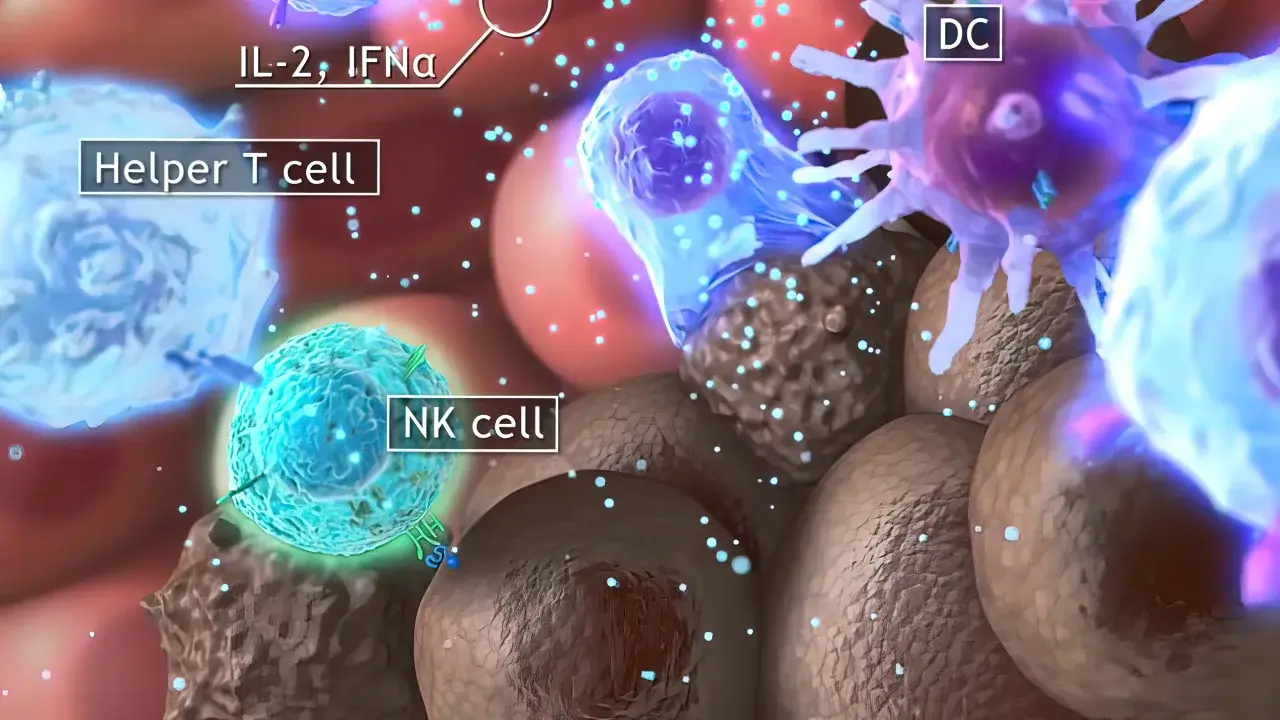
The clinical influence of dendritic cell-based therapy is primarily due to the activation of multiple immune responses and pathways:
- Cytotoxic T-Lymphocytes (CTLs): Being educated by activated dendritic cells, CTLs directly attack melanoma cells by releasing enzymes that destroy their membranes.
- Natural Killer (NK) Cells: These cells enhance immune defense by identifying and destroying tumor cells that evade typical antigen presentation.
- Immune Memory Formation: A lasting benefit of dendritic cell vaccination is the creation of long-lived memory T-cells.
Evidence from Melanoma Oncology Centers in Germany
Several oncology centers in Germany have reported exceptional results using this therapy. Typically, patients who use dendritic cells in treatment of melanoma in Germany show significant improvement in:
- Progression-free survival
- Overall survival
- Quality of life
Moreover, when used as part of a multimodal strategy – including surgery, hyperthermia, or photodynamic therapy – the vaccines further enhance the immune system's ability to detect and eliminate melanoma and tumor cells.
The outcomes described above apply to patients in whom the vaccine was manufactured from a current and representative antigen source.
For patients who have undergone surgery or chemotherapy since their last biopsy, the question of whether existing tissue still reflects the tumor's current antigenic profile — or whether liquid biopsy provides a more accurate source — is the specific determination Booking Health's pre-treatment case review addresses before the program at the German center is finalized.
GET A SECOND OPINION FOR MY CASEDendritic Cell Therapy vs Other Melanoma Treatments
The modern arsenal of skin cancer control tools is constantly expanding, forcing doctors and patients to compare the effectiveness of traditional and innovative approaches. The choice of a specific strategy depends not only on the aggressiveness of the tumor but also on the body's ability to withstand the therapeutic load. Unlike agents that act systemically on all rapidly dividing tissues, DCT focuses exclusively on pathological foci, minimizing the risk of severe complications and side effects [8].
Comparison with Conventional Melanoma Treatments
The choice of melanoma treatment strategy today is based on a balance between efficacy and safety for the patient. While innovative dendritic cell therapy focuses on "training" immunity to recognize specific tumor antigens, traditional approaches have different mechanisms of action.
Comparison of standard methods for melanoma therapy
| Type of method | Chemotherapy | Targeted therapy | Checkpoint inhibitors |
|---|---|---|---|
| Mechanism of action | Affects all rapidly dividing cells | Only works on tumors with mutations | Drugs that activate the body`s own T-cells |
Advantages of Dendritic Cell Therapy for Melanoma
Dendritic cell therapy, as a form of melanoma immunotherapy, provides the following advantages:
- High selectivity: the effect is directed only at the focus of the diseaseThe system identifies specific tumor cells while leaving healthy tissues intact. Because cells learn to recognize specific patient tumor proteins, they ignore healthy organs, which avoids debilitating side effects and preserves the body's functionality during treatment.
- Ease of treatment: a personalized method protects the immune system from overloadUsing a patient`s own biomaterial makes the treatment safe, eliminating the risk of rejection or acute side effects, even for patients with comorbidities or those whose bodies are too weakened to undergo aggressive chemotherapy.
- Long-term immunity: Creates memory T-cells for sustained surveillanceOne of the most valuable benefits is the ability of dendritic cells to form so-called "immune memory". Trained T-lymphocytes remain in the body for a long time after completing the course, continuing to patrol the tissues. This creates a reliable shield against relapses, as the immune system is ready to instantly recognize and destroy single malignant cells if they reappear.
- No dependency on genetic markers: Works even in BRAF-negative patientsMany modern targeted drugs are effective only in the presence of specific mutations. Instead, cell therapy is a universal solution because it is based on the real antigenic composition of a particular tumor, rather than on statistical genetic markers. This paves the way for effective treatment for patients who have been denied other types of innovative therapy.
- Can be used in both the early and late stages of skin cancerThis method provides flexibility at any stage: from prevention of metastasis after removal of the initial demonstration in the early stages to stabilization of the condition and prolongation of life in advanced forms of melanoma. Such adaptability makes dendritic cells an indispensable component of multimodal treatment strategies used in the world's leading clinics.
The Role of Combined Melanoma Treatment
The current treatment strategy in Germany is based on the principle of synergy, where each method strengthens the action of the other. The combined approach allows not just to attack the tumor, but to create conditions under which the immune system becomes as aggressive as possible to malignant cells. Many oncology centers now favor combined treatment approaches to improve outcomes:
- Surgery + dendritic cell vaccine: Reduces risk of relapse in early-stage patients.After surgical removal of the main tumor, single circulating cancer cells may remain in the body, which cannot be detected using visual diagnostic methods. The usage of immunotherapy at this stage allows to teach the body's defenses to recognize tumor residues using dendritic cell vaccination. Melanoma is destroyed systemically at the cellular level, which provides reliable protection against the recurrence of the tumor and the appearance of distant metastases.
- Photodynamic therapy (PDT) + immunotherapy: Allows preliminary sensitization of the tumor before the introduction of the vaccine.Due to the photodynamic effects, the tumor becomes more vulnerable and "noticeable" to immunity. Local destruction of cancer cells provokes the active release of tumor antigens in tissues, which significantly increases the body's susceptibility to the next stages of immunotherapy and improves the final result of treatment.
- Hyperthermia + cell therapy: Increases tumor immunogenicity and vaccine efficacy.Local heating of the tumor (hyperthermia) improves blood circulation in the affected area and increases vascular permeability, which facilitates the access of trained lymphocytes to the focus of the disease. In addition, heat stress causes tumor cells to produce special proteins that are a powerful signal to the immune system, greatly enhancing the immune activation.
The synergy of various treatment methods allows for mobilizing the body's protective resources as much as possible, the key element of which is the dendritic cell vaccine. Melanoma, skin cancer, stops its aggressive growth as the immune system gains the ability to target metastases even in the later stages.
Each of those combination sequences depends on timing. Photodynamic therapy releases tumor antigens most effectively when vaccination follows within a defined window; hyperthermia's enhancement of lymphocyte access diminishes as inflammation resolves. A center that offers all three modalities but sequences them according to scheduling availability rather than immunological rationale will not replicate the outcomes that deliberate combination protocols produce.
Booking Health's combination therapy sequencing review confirms that the proposed protocol reflects the timing conditions under which the synergistic effects described above are actually achieved.
BOOK CONSULTATIONComparison of Treatment Approaches
The choice of the optimal melanoma treatment strategy today is based on a careful comparison of the mechanisms of action, expected effectiveness, and the level of toxicity of the available methods. While traditional protocols aim at cytotoxic effects on the tumor, advanced technologies are based on the principle of immunomodulation and the involvement of natural defense mechanisms.
In order to visually assess the place of immunotherapy in the modern oncological protocol, it is important to compare its key characteristics with other common methods. Below is a comparative analysis that demonstrates a significant difference in the mechanisms of action, toxicity levels, and efficacy of each of the approaches. This comparison helps to understand why personalization of treatment becomes a crucial factor in the choice between aggressive systemic exposure and targeted immune response.
Comparison of Dendritic Cell Therapy and Standard Treatments for Melanoma
| Type of therapy | Dendritic cell vaccines | Chemotherapy | Targeted therapy | Checkpoint inhibitors |
|---|---|---|---|---|
| Mechanism of action and characteristics | Specific, personalized immunotherapy. Uses the patient's own cells to train the immune system to recognize tumor antigens. | Non-specific, systemic treatment. Acts on all rapidly dividing cells without distinguishing between healthy and cancerous tissues. | Specific mutation-based drugs. For example, BRAF/MEK inhibitors. Works only in the presence of specific genetic markers. Rapid resistance. Can lead to relapse. | Immune-based drugs. Drugs that "release the brakes" on T-cells. |
| Efficacy and side effects | Minimal side effects. High duration of immune response and prevention of relapses without systemic toxicity. | Significant side effects (nausea, hair loss, immune suppression). Low response rates in advanced melanoma (typically below 20%). | Side effects include fever, fatigue, and joint pain. Effective only for patients with BRAF V600E/K. | Severe immune-related adverse events. Response rates 30% to 50%, with a risk of no effect in a large proportion of patients. |
Exclusive Interview with Prof. Dr. Med. Frank Gansauge on Dendritic Cell Therapy for Melanoma
One of the most influential figures in modern cancer therapy using dendritic cells is Prof. Dr. Med. Frank Gansauge, a leader in the field of immunotherapy. Thanks to more than 22 years of clinical practice, Professor Gansauge made a significant contribution to the development and improvement of therapeutic strategies using the immune system. Its approach is based on the creation of highly personalized protocols where traditional treatments are harmoniously combined with innovative solutions.
Drawing on experience in surgery, Professor Gansauge focused on oncology and immunology, seeing the lack of effectiveness of traditional approaches in dealing with aggressive tumors. Today, in his German clinic, he manages a team of specialists who create personalized dendritic cell vaccines for melanoma, taking into account the unique biological characteristics of the tumor and the immune status of each patient.
What Makes His Approach Unique?
- Individual development: The specificity of each vaccine is achieved through the integration of the body's own immunocompetent cells and targeted tumor antigens.
- Comprehensive strategy:To achieve optimal clinical outcomes, a therapeutic protocol may, when needed, combine vaccination with surgery, hyperthermia, or photodynamic exposure.
- Patient-centered approach:The priority is to maintain a high quality of life, complex health effects, and constant monitoring of the state of the immune system.
Professor Gansauge's patients show significantly better clinical results, minimal complications, and a steady reduction in the risk of relapses. Thanks to the introduction of advanced immunotherapy, his clinic has become a leading center for foreign patients fighting melanoma.
Read the full interview with Prof. Gansauge to discover:
- Principles of work:a scientific explanation of how dendritic cells activate and strengthen immune responses.
- High technology:a detailed description of the laboratory steps required to create individual dendritic cell vaccines.
- Benchmarking:an expert view at the discussion between immunotherapy and chemotherapy, and the role played by dendritic cell therapy as a complement to surgery or radiation.
- Clinical results:real cases of patients who went into complete remission thanks to the usage of dendritic cell technologies.
- Safety profile:why this method shows significantly fewer side effects compared to standard protocols.
- The uniqueness of the clinic:features of Professor Gansauge's protocols and the implementation of systemic immunological monitoring.
Further scientific developments open up impressive opportunities for using dendritic cell vaccination. Melanoma has become only a starting point, because the potential of the method is already being investigated in the therapy of allergies, autoimmune processes, and even in the field of anti-aging medicine.
The experience of Prof. Gansauge gives a real chance to those who fight aggressive type of melanoma. Vaccine target is the exact aim, as they are developed individually for the genetic profile of each patient's tumor.
For individuals diagnosed with melanoma – particularly those with advanced or metastatic disease – Prof. Gansauge offers not only deep expertise but also hope. This interview is a must-see for anyone studying the possibilities of modern immunotherapy and considering the usage of a personalized vaccine based on dendritic cell. Melanoma therapy becomes part of a comprehensive strategy to combat oncology, which significantly increases the chances of success.
VIDEO
Prof. Frank Gansauge: How Dendritic Cell Therapy is Transforming Modern Cancer Treatment
Dendritic Cell Therapy
BOOK CONSULTATION
Cost of Dendritic Cell Therapy for Melanoma in Germany
Leading German cancer centers offer patients the opportunity to take advantage of the innovative dendritic cell therapy. Melanoma immunotherapeutic treatment in Germany is based on years of experience and the strictest GMP quality standards. The country offers access to some of the most advanced immunology laboratories and oncology centers, providing personalized treatments that are not widely available elsewhere. While other parts of the world are only studying the potential of dendritic cell, melanoma treatment in Germany is already based on proven immunotherapy protocols. This allows German doctors to achieve high patient survival rates in certified medical centers.
The importance of timely and high-tech treatment is clearly confirmed by patient survival statistics. As can be seen from the graph below, the chances of recovery directly depend on the stage of the disease at the time of diagnosis, which emphasizes the critical need to use advanced therapy methods to improve these indicators even in difficult cases.
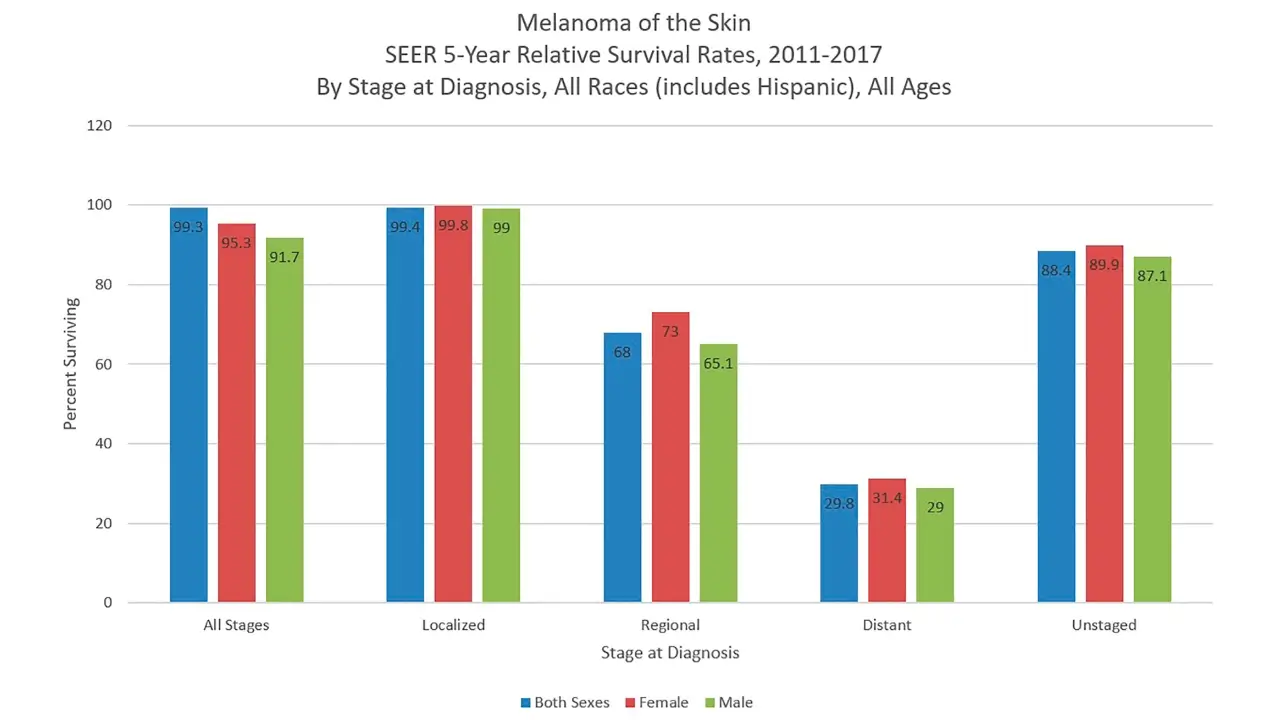
German clinics provide the highest level of production of personalized vaccines based on dendritic cell. Melanoma treatment cost in this case reflects the complexity of laboratory manipulation and strict adherence to GMP standards, which is critical for a successful outcome. It is important to understand that the price is formed not only on the basis of the work of medical personnel, but also includes the costs of complex biochemical reagents and multi-stage quality control of each dose of vaccine. The German health system shows one of the world's most advantageous cost-quality ratios, especially when compared to countries where immunological cancer treatment reaches hundreds of thousands of dollars. The average price range for the full dendritic cell therapy in Germany is between €20,000 and €38,000. The final amount depends on the individual condition of the patient, the specifics of the therapeutic plan and the amount of required diagnosis. As a standard, this package of services covers:
- Primary consultation and diagnostic examination
- Biomaterial collection procedure and monocyte separation
- High-tech laboratory stage of dendritic cell creation
- A cycle of drug administration sessions
- Control monitoring and immunological analysis of results
In order to objectively assess the financial advantages of German medicine, it is worth comparing these figures with the average costs of similar medical programs in other regions of the world. This will help assess the level of availability of immunotherapy and understand why European centers remain the most in demand in the global market of medical services. Get acquainted with the current data on the availability of the innovative melanoma vaccine, cost of which in the world's leading medical centers depends on the complexity of the laboratory process and the level of certification of the clinic.
Comparative cost of dendritic cell therapy in different countries of the world
| Germany | Great Britain | USA | Australia |
|---|---|---|---|
| €20,000 - €38,000 | Not available | €100,000 - €150,000 | Not available |
For patients in the UK and Australia, Germany is not a cheaper alternative — it is the only viable option.
Those coordinating through Booking Health reach Germany's institutional rates without the foreign patient fees applied to self-referred people, receive a fully itemized budget before any commitment is made, and are covered by complication insurance of up to €200,000 as standard.
Get full treatment coordination supportDendritic Cell Therapy for Melanoma in Germany with Booking Health
Finding the best treatment strategy can seem like an overwhelming task, especially when it comes to a personalized vaccine. Melanoma requires a special approach, so choosing the right immunotherapy method is a critical step. After undergoing multiple interventions, receiving conflicting opinions, and navigating complex diagnoses, many patients feel lost and exhausted. In such circumstances, it is tempting to settle for the most readily available option or to follow generalized treatment protocols – often associated with significant side effects – rather than seeking a more targeted and effective approach like DC therapy for melanoma in Germany.
To make an informed decision and receive a personalized cancer management plan tailored to your specific clinical picture, consult the experts at Booking Health. For over 12 years, Booking Health has been helping patients from around the world access the most advanced medical innovations, including dendritic cell therapy. Our team specializes in coordinating care at the top oncology clinics in Germany and provides full support throughout every stage of your treatment journey.
We offer:
- Assessment and analysis of your medical documentation
- Development of a personalized treatment planning program
- Selection of the most suitable clinic for dendritic cell therapy
- Preparation and translation of medical documents for submission
- Pre-travel consultations with German specialists
- Expert guidance and communication during your hospital stay
- Coordination of follow-up care once you return home
- Full management of formalities and international logistics
- Visa and travel assistance
- A personal coordinator and medical interpreter available 24/7
- Transparent budgeting with guaranteed pricing – no hidden costs
Health is an invaluable aspect of our lives. Delegating management of something so fragile yet precious should be done only to experts with proven experience and a reputation. Booking Health is a trustworthy partner who assists you in pursuing stronger health and a better quality of life. Contact our medical consultant to learn more about the possibilities of personalized treatment with innovative methods for pulmonary fibrosis with leading specialists in this field.
Begin your path to recovery by reaching out to a medical advisor at Booking Health. We will help you explore the possibilities of innovative melanoma treatment through dendritic cell therapy – available in Germany's most advanced clinics.
Booking Health service ensures that every patient is treated as a unique individual, not just a case. When it comes to your health, only proven experts with a global reputation for excellence should be entrusted with such an important mission.

Innovation in Cancer Care: Dendritic Cell Stories with Booking Health






Frequently Asked Questions About Dendritic Cell-Based Immunotherapy In Melanoma
Melanoma is a type of skin cancer that can spread to other parts of the body. Dendritic cell therapy involves using the patient's dendritic cells, turning them into a melanoma vaccine, and stimulating the immune system to attack the cancer more effectively.
Many patients today are interested in the question "Is there a vaccine for melanoma?", and the answer of modern medicine is "Yes", because immunotherapy with dendritic cells actually works as a personalized vaccine.
The personalized vaccine is a new melanoma vaccine, which is made individually for each patient from their own cells. This technology allows the immune system to target and destroy specific tumor proteins, ensuring high accuracy of treatment.
This therapy ensures treatment accuracy and minimal negative effects on the body, contributing to the long-term outcome. The usage of cancer vaccine for melanoma patients demonstrates high efficacy in cases of advanced melanoma, becoming a critical tool for patients with a common pathological process.
The effectiveness demonstrated by melanoma vaccine treatment depends on the stage of the disease and the personal characteristics of the patient's body. In many clinical cases, significant progress is observed: patients achieve stable remission and a significant increase in the quality of daily life.
For the most part, side effects are limited to mild manifestations, such as low-grade fever or general weakness. Although serious reactions are observed extremely rarely, patients are under the close supervision of specialists, which allows prompt medical assistance in case of need.
Yes. Dendritic cell therapy can be used alongside other treatments (surgery, radiation therapy, targeted therapies).
Many leading oncology clinics in Germany are successfully implementing dendritic cell therapy for melanoma, focusing on an individual approach. These centers are equipped with innovative laboratories, where personalized therapeutic vaccines are manufactured based on the patient's own immune cells. The manufacturing process of the drug includes complex laboratory preparation of dendritic cell. Melanoma treatment in Germany with Booking Health – is confidence in receiving world-class medical care and using advanced technology.
Indeed, dendritic cell therapy can be successfully integrated into comprehensive treatment regimens along with surgery, radiation or targeted therapy. The synergy of these approaches allows you to significantly increase overall performance and achieve better recovery rates.
Dendritic cell therapy is an advanced immunotherapy method that mobilizes the immune system to identify and further destroy tumor cells. Such a personalized therapeutic vaccine against melanoma is made on the basis of the patient's own blood cells, which ensures high accuracy and effectiveness in the fight against the disease.
The therapy uses lab-cultured dendritic cells that are "trained" with tumor antigens from the patient's melanoma. After returning to the body, these cells provoke a powerful and directed activation of the immune system, which contributes to the effective destruction of melanoma cells and significantly reduces the risk of recurrence of the disease.
Indeed, dendritic cell therapy is usually integrated into multimodal treatment regimens. After radical surgical intervention, such vaccination significantly activates immune control, which allows to minimize the probability of recurrence of the disease.
The cost of a therapeutic course in German clinics is usually between €20,000 and €38,000, determined by the complexity of the therapeutic plan. The specified budget for immunotherapy covers the diagnostic stage, laboratory production of the drug and administration of vaccine with dendritic cell. Melanoma treatment cost in Germany corresponds to the premium quality of medical service and the usage of the latest laboratory technologies.
A number of leading medical centers in Germany provide access to dendritic cell therapy, among which LDG Laboratories Dr. Gansauge. This clinic has tremendous experience in the field of melanoma immunotherapy and specializes in the development of individual treatment strategies using the latest laboratory facilities. Booking Health can help you choose from the best cancer immunotherapy centers based on your needs and medical condition.
To begin your Germany melanoma treatment, contact Booking Health. Our team will guide you through every step of treatment planning, including medical file review, clinic selection, scheduling, and travel support. If you are wondering how to start dendritic cell therapy, Booking Health ensures an efficient and stress-free experience.
In patients with stage I-II melanoma, the most effective way to provide up to 95% prevention of recurrence after surgery is the usage of a personalized dendritic cell vaccine. Melanoma response rate to this approach is significantly higher than that of traditional methods, which offer about 70%, as it successfully activates the body`s own immunity to destroy any residual cancer cells.
In stage III melanoma, combining dendritic cell therapy with other methods allows for achieving up to 75% control of the disease, while conventional treatment provides less than 60%. Immunotherapy enhances the effect of standard methods, reducing the risk of progression.
Thus, even in the most complex clinical cases, 65% of patients show a stable disease course after receiving dendritic cell immunotherapy for stage IV melanoma. Symptoms of the metastatic process become more manageable, as this approach is effective in nearly twice as many cases compared to the 35% success rate of traditional treatments.
In Germany, melanoma patients receive dendritic cell therapy only following thorough evaluation. Treatments are individually tailored and administered under close supervision. Also, they are integrated with standard care to enhance immune response.
Choose treatment abroad and you will for sure get the best results!
Sources:
01. Alvarez-Dominguez C, Calderón-Gonzalez R et al. Dendritic cell therapy in melanoma. Ann Transl Med. 2017 Oct;5(19):386. doi: 10.21037/atm.2017.06.13. [DOI] [PubMed] [PMC free article]
02. Dillman RO, Nistor GI, Cornforth AN. Dendritic cell vaccines for melanoma: past, present and future. Melanoma Manag. 2016 Nov 29;3(4):273–289. doi: 10.2217/mmt-2016-0014. [DOI] [PubMed] [PMC free article]
03. DePillis L, Gallegos A, Radunskaya A. A Model of Dendritic Cell Therapy for Melanoma. Front Oncol. 2013 Mar 19;3:56. doi: 10.3389/fonc.2013.00056. [DOI] [PubMed] [PMC free article]
04. Halilovic A, Bol KF. The use of dendritic cell vaccinations in melanoma: where are we now? Melanoma Manag. 2016 Nov 29;3(4):247–250. doi: 10.2217/mmt-2016-0027. [DOI] [PubMed] [PMC free article]
05. Volchenkov R, Sprater F et al. The 2011 Nobel Prize in physiology or medicine. Scand J Immunol. 2012 Jan;75(1):1-4. doi: 10.1111/j.1365-3083.2011.02663.x. [DOI] [PubMed]
06. Naik PP. Cutaneous Malignant Melanoma: A Review of Early Diagnosis and Management. World J Oncol. 2021 Feb 24;12(1):7–19. doi: 10.14740/wjon1349. [DOI] [PubMed] [PMC free article]
07. Anguille S, Smits EL et al. Clinical use of dendritic cells for cancer therapy. The Lancet. Oncology, 01 Jun 2014, 15(7):e257-67.doi: 10.1016/s1470-2045(13)70585-0. [DOI]
08. Nogueira JAM, Arbizu MV, Temprano RP. Adjuvant Treatment of Melanoma. ISRN Dermatol. 2013 Feb 17;2013:545631. doi: 10.1155/2013/545631. [DOI] [PubMed] [PMC free article]
09. Cuevas ES, Saas Ph, Aspord C. Dendritic Cell Subsets in Melanoma: Pathophysiology, Clinical Prognosis and Therapeutic Exploitation. Journals. Cancers. Volume 15. Issue 8. doi: 10.3390/cancers15082206. [DOI]
10. Sikorski H, Zmijewski MA, Piotrowska A. Tumor Microenvironment in Melanoma—Characteristic and Clinical Implications. Int. J. Mol. Sci. 2025, 26(14), 6778; doi: 10.3390/ijms26146778. [DOI]
11. Saginala K, Barsouk A, Aluru JS et al. Epidemiology of Melanoma. Journals. Medical. Sciences. Volume 9. Issue 4. doi: 10.3390/medsci9040063. [DOI]
Read:
01. Immunotherapy for melanoma in Germany
02. Top 10 Leading Oncology Hospitals for Cancer Treatment in Germany