Medical Blog About Treatment Abroad
Welcome to our medical blog – it is dedicated to empowering patients with knowledge about global healthcare! We created this platform with the intention to bridge the gap between patients and the medical innovations available globally.
What's Inside: Discover new and rare methods in oncology, immunology, heart surgery, neurosurgery, and other medical fields! Our health travel insights show how medical journeys open new possibilities with advanced treatments unavailable locally, including specialized cancer care abroad.
Who Benefits: This resource is for patients and their families who seek new treatment methods and explore options at leading international hospitals. Those who want to make informed healthcare decisions beyond borders.
Why Read: Booking Health experts provide verified information through patient-friendly articles – they translate complex medical advances into accessible info. Stay current with the latest developments in global healthcare and discover how international medicine can transform treatment outcomes!
Browse our latest articles and take the first step toward better health outcomes!
Latest posts
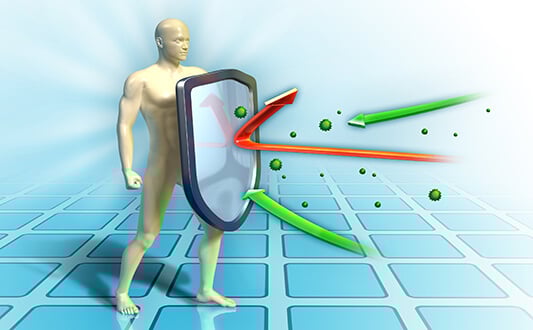 New Effective Treatments for Stage 4 Cancer: Innovations in Oncology
According to official statistics from the WHO in 2022, oncological diseases are now the cause of one in every six deaths worldwide. This has encouraged the international medical community to develop new advanced stage 4 cancer treatment methods and increase the effectiveness of the already existing ones. This is particularly important for...
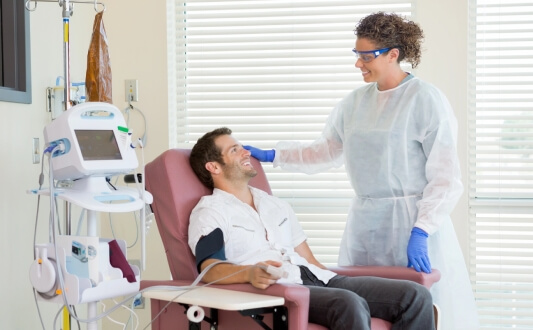 Cancer Treatment Abroad
Cancer remains one of the most daunting health challenges of our time. In 2022 alone, nearly 20 million new cases were diagnosed worldwide, and almost 9.7 million people tragically lost their lives to the disease. These figures underscore the escalating burden of this disease – and the glaring disparities in access to quality care. Modern...
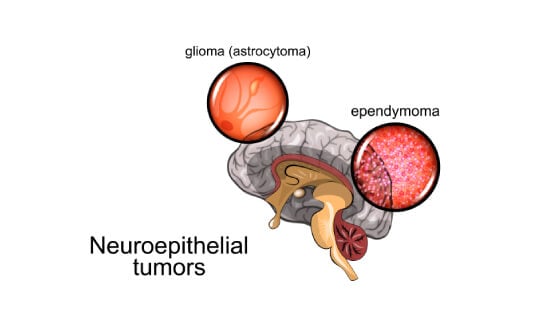 Treatment for Ependymoma – Full Guide: New and Standard Treatments
Ependymomas (EPN) represent approximately 5% of all central nervous system cancers – rare enough that many oncologists encounter only a handful of cases throughout their careers. The rarity creates a challenge: this brain tumor treatment protocols lack the robust evidence base found in more common cancers. That is why expertise...
 Gamma Knife Radiosurgery for Brain Tumors in Germany
While central nervous system (CNS) disorders are relatively rare, they contribute to substantial morbidity and mortality across all age groups. Despite decades of research into the etiology of pediatric and adult brain tumors, no single risk factor has been identified that accounts for a significant proportion of cases. These tumors are histologically...
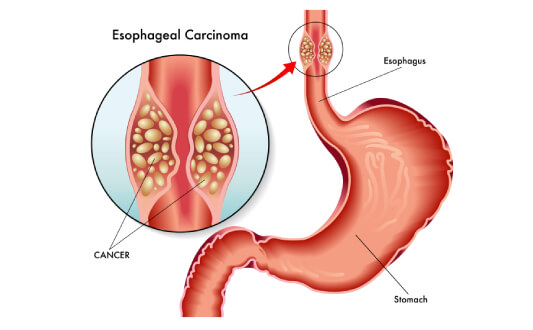 Comprehensive Guide to Esophageal Cancer: New and Standard Treatment Options
Esophageal cancer is still among the deadliest cancers of the digestive system, with about one out of every 20 cancer-related deaths worldwide. In 2022, over 500,000 new cases were diagnosed globally, and it is particularly high in East Asia and some parts of Africa. In the US, the American...
 Immunotherapy for breast cancer in Germany
Breast cancer immunotherapy (IT) represents a groundbreaking advancement in oncology, encompassing various innovative approaches to breast cancer treatment. Breast cancer (BC, BCa) is one of the most common malignant tumors globally, but here's the thing – it's been considered an immunologically "cold" tumor with way less...
 Revolutionary Immunotherapy Treatments for Prostate Cancer in Germany
In 2020, 1.4 million men were newly diagnosed with prostate cancer. Northern and Western Europe, the Caribbean, Australia/ New Zealand, North and South America, and Southern Africa have the highest age-standardized incidence rates. This is why new, innovative approaches are required, which could treat prostate cancer more efficiently...
 Esophageal Cancer: Treatment in Germany
Esophageal cancer is one of the twenty most widespread cancer types. The disease can develop at any age, but most often it is diagnosed over the age of 60, when treatment options are already somewhat limited by the patient's chronic conditions. Patients who undergo treatment in Germany have a chance to significantly increase...