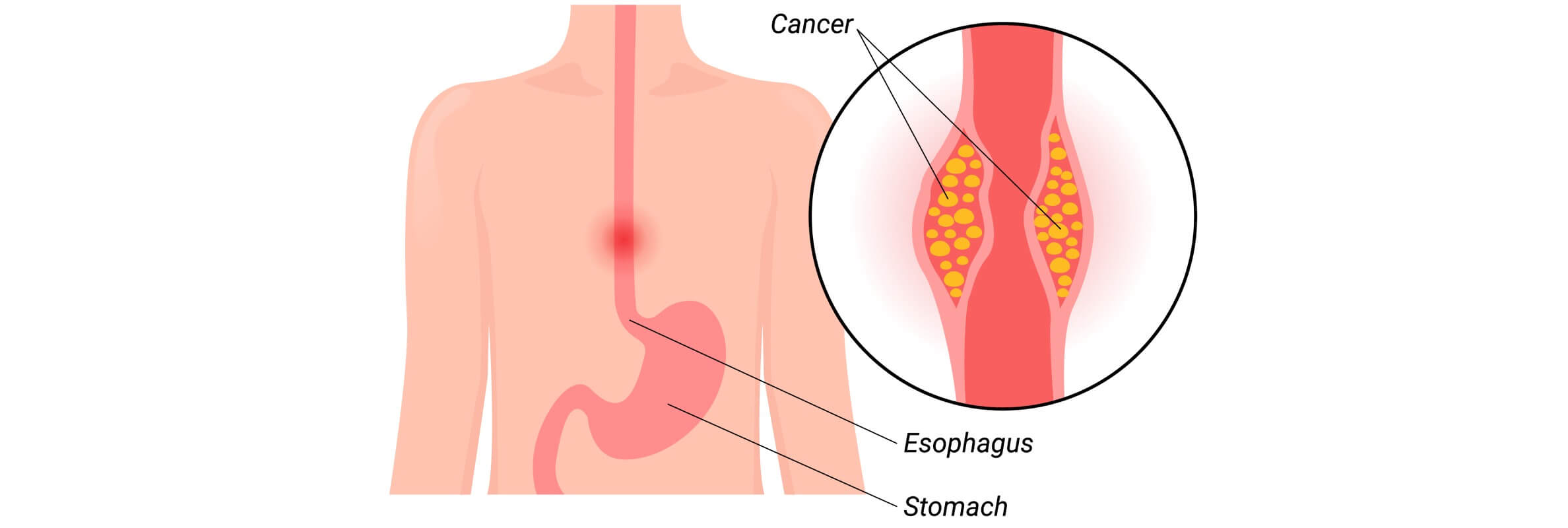
Esophageal cancer is a severe and aggressive malignancy. According to oncology research, this disease is often diagnosed late due to its subtle early symptoms, such as difficulty swallowing, chest pain, weight loss, and persistent cough.
By the time the disease reaches stage 4, it has spread beyond the esophagus to distant organs such as the liver, lungs, bones, and lymph nodes, making curative treatment extremely difficult. The stage 4 esophageal cancer prognosis remains challenging, with a 5-year survival rate typically ranging between 5% and 20% [1, 2], depending on factors such as overall health, tumor spread, and response to treatment.
Collaboration with specialized multidisciplinary teams opens up real therapeutic opportunities for patients with such a complex diagnosis. Thanks to a comprehensive approach – from timely screening, professional consultation, and obtaining a second opinion to the selection of the optimal esophageal cancer stage 4 treatment or, if necessary, the organization of hospice care – doctors elaborate a personalized management plan.
Standard Treatment Protocols for Stage 4 Esophageal Cancer
For stage 4 esophageal cancer, treatment focuses on slowing the progression of the disease, managing symptoms, and enhancing quality of life rather than achieving a cure [3].
Chemotherapy is typically the primary systemic treatment used in advanced cases. It works by targeting cancer cells throughout the body and can help shrink tumors and slow their spread. Chemotherapy may be administered alone or in combination with other therapies, depending on the patient's condition and overall treatment goals.
Radiation therapy is often used for palliative purposes rather than curative intent. It helps reduce the size of tumors that are causing obstruction in the esophagus, which can relieve symptoms such as difficulty swallowing. Radiation may be used on its own or in conjunction with chemotherapy to improve symptom control.
Surgery is rarely performed at stage 4 because the cancer has already spread to distant organs, making surgical removal of the tumor ineffective. In most cases, the risks and recovery associated with surgery outweigh the potential benefits at this advanced stage.
Palliative care is a key component of controlling complications and maintaining the patient's general condition. It aims to relieve dysphagia, restore swallowing, and ensure adequate nutrition, in particular by installing a feeding tube, effective analgesia, or endoscopic esophageal stenting to maintain its patency. The multidisciplinary team, which usually includes a gastroenterologist, helps to increase comfort and daily functioning, improving quality of life even in the later stages of the disease.
Innovative Approaches in Esophageal Cancer Treatment Stage 4
Modern oncology is actively developing new approaches to treatment that open up additional opportunities for patient stage 4 esophageal cancer. If traditional methods – chemotherapy and radiation therapy – are mainly aimed at controlling symptoms, then modern technologies affect tumor at the molecular level, which potentially improves survival and quality of life even in an advanced or metastatic process. Such strategies are increasingly integrated into clinical guidelines and are based on up-to-date research data.
Interventional Radiology for Stage 4 Esophageal Cancer
Interventional radiology offers minimally invasive solutions supplementing standard protocols. Under the supervision of imaging, the doctor can have a targeted effect on the tumor, which is especially relevant for patients with relapse, contraindications to surgery, or a metastatic process. By accurately delivering therapy without significantly damaging healthy tissues, such interventions can provide both disease control and symptom reduction.
According to multicenter data, thermal ablation in combination with chemotherapy shows up to 74% local control at 12 months follow-up, especially in residual intramural lesions after primary diagnosis. The method can be used as an alternative therapy.
Thermal ablation is among the most extensively implemented methods. It operates by applying heat to stimulate irreversible cellular damage [4]. Though originally included in hepatic and pulmonary cancer treatment protocols, thermal ablation is now being investigated in esophageal cancer. It has demonstrated particular efficacy for local recurrence of esophageal cancer or when surgery is not an option.
Cryoablation uses extremely low temperatures to induce apoptosis of tumor cells. The method has shown efficacy in early forms of squamous cell carcinoma and Barrett's esophagus, especially in patients not indicated for surgical treatment at the hospital. In investigations, more than 80% of cases demonstrated significant relief of symptoms and mucosal healing at low risk of complications. The method preserves tissues and can be applied again.
Electrochemotherapy combines the introduction of cytostatics with short electrical impulses that enhance the penetration of the drug into tumor cells. Although the method is more often used for skin lesions, new research data confirm its benefit in advanced esophageal cancer, in particular, in the involvement of the chest wall.
Tumor response rates reach around 72% in selected cases, especially as a palliative option after failure of systemic therapy. In addition to the local effect, the method can potentiate the immune response and be combined with immunotherapy.
The cost of such treatment is usually 7,500-12,000 euros, depending on the complexity of the case, the number of sessions, and the level of the hospital. The final amount may depend on the insurance policy, the tests used for diagnosis, and post-procedural supervision.
When Chemo Can't Get Inside Cancer Cells: The Electroporation Solution
Chemoembolization (TACE) for Stage 4 Esophageal Cancer
Transarterial chemoembolization is a modern localized treatment in which chemotherapy is injected directly into the tumor while cutting off its blood supply. This limits nutrient access to the tumor and enhances the local effect of the drug.
Unlike systemic chemotherapy, the method acts in a targeted manner and reduces systemic symptoms of toxicity, which is especially important for patients with an advanced or metastatic process. TACE is often used for liver metastases, which are often detected during diagnosis in patients with stage 4 esophageal cancer [6].
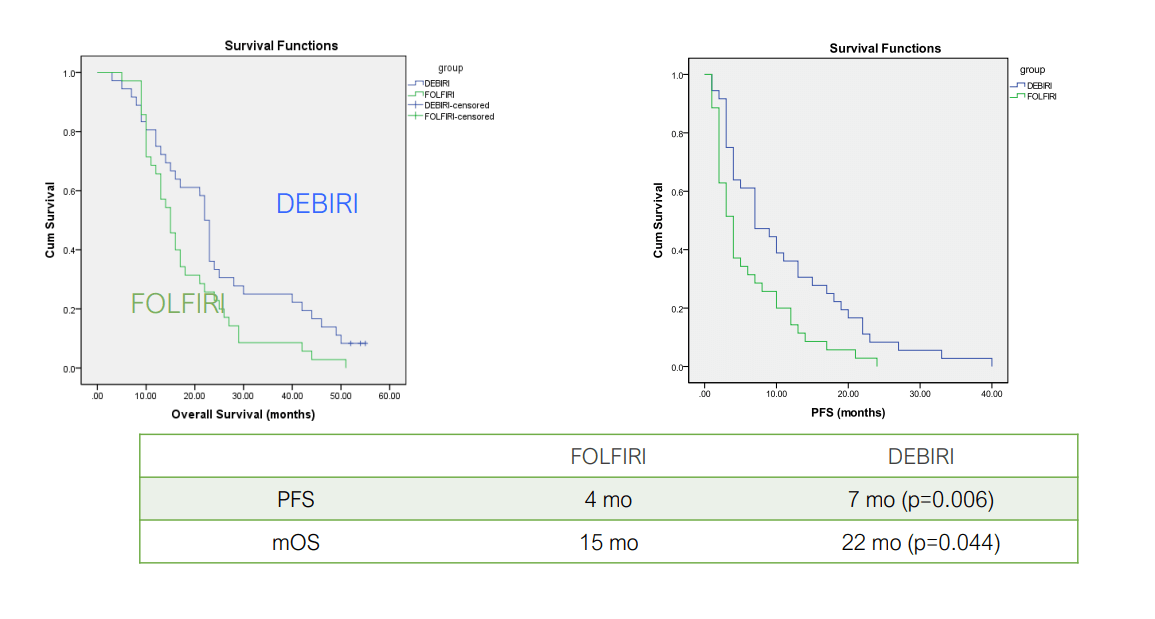
Aliberti C et al Ancancer Res 2011;31:4581
Richardson A et al J Vasc Interv Radiol 2013;24:1209
**DEBIRI = TACE, FOLFIRI = IV therapy
For a detailed explanation of how TACE works and its real-life impact on patients, including cases where individuals have lived more than a decade after treatment, it is highly recommended that you watch the interview with Professor Attila Kovács, who sheds light on the procedure and its integration with other cancer therapies.
Prof. Kovács: Why TACE Doubled Cancer Survival – What Patients Need to Know
Regional Chemotherapy for Metastatic Esophageal Cancer
Regional chemotherapy in Germany demonstrates a new approach to the treatment of esophageal cancer in the fourth stage – instead of systemic distribution of drugs throughout the body, treatment is administered directly to the spread areas.
The method involves the isolation of individual anatomical areas with the help of balloon catheters, forming a closed circulation of the drug. This allows for chemotherapy concentrations 15-20 times higher than standard administration, which can positively affect symptom control and potentially improve prognosis after an accurate diagnosis of a common process.
For esophageal cancer that has spread to mediastinal lymph nodes, lungs, or liver, specialists employ isolated thoracic perfusion or upper abdominal perfusion depending on metastatic patterns. The technique maintains blood flow through the isolated region while flooding it with intensive chemotherapy, followed by sophisticated filtration that removes residual drugs within 45 minutes – virtually eliminating systemic toxicity.
Clinical data from German centers demonstrates meaningful outcomes in patients who had exhausted conventional options: response rates of 68% (combining partial response and stable disease) with median survival reaching 38 months from initial diagnosis [8]. Treatment cycles last days rather than weeks, with patients walking freely the same afternoon. For stage 4 disease where standard therapy has failed, regional chemotherapy offers genuine disease control that systemic approaches cannot match. You can find more info in the interview with prof. Aigner, the developer of these techniques.
Dendritic Cell Therapy for Stage 4 Esophageal Cancer
Dendritic cell therapy is a groundbreaking form of immunotherapy based on Nobel Prize-winning research that enhances the body's immune response to cancer [7]. This innovative treatment involves extracting dendritic cells from the patient, modifying them in a laboratory to better recognize cancer antigens, and then reinfusing them to stimulate the immune system to attack tumors.
Especially in stage 4 esophageal cancer, dendritic cell therapy has shown promise in reducing tumor burden, strengthening immune response, and slowing disease progression, particularly when combined with traditional treatments like chemotherapy or targeted therapy.
To better understand how this therapy works and its effectiveness, it is highly recommended to watch the interview with Professor Frank Gansauge, a leading expert in immunotherapy with over 22 years of experience, who explains how dendritic cells train the immune system and why this approach is gaining recognition in advanced cancer care.
Expert Insights from Prof. Gansauge: The Power of Dendritic Cell Therapy in Cancer Treatment
Hyperthermia Therapy for Stage 4 Esophageal Cancer
Hyperthermia is a modern cancer treatment method that uses a controlled increase in temperature to weaken tumor cells and increase their sensitivity to chemotherapy and radiation therapy. Heating tissues to 41-43°C disrupts the structure of cancer cells and reduces their ability to repair DNA, enhancing the effect of standard treatment.
In stage 4 metastatic esophageal cancer, when the disease often spreads to the liver, lungs, or bones, hyperthermia can be used as a maintenance therapy, especially in patients with limited tolerance of aggressive regimens. It is used as a local deep warm-up or whole-body systemic therapy and is associated with better tumor control, reduced pain, and potential prolongation of survival. Despite the fact that the method is still being researched, it is considered a promising addition to the complex treatment of late stages of esophageal cancer [9, 10].
Comparative Table: Standard vs. Innovative Treatments for Stage 4 Esophageal Cancer
When considering treatment for stage 4 esophageal cancer, it is essential to compare effectiveness, survival rates, and costs. Below is a comparison of these treatments based on current research and data.
| Characteristics/Therapy type | 2-Year Survival Rate | Response Rate | Duration | Side Effects |
|---|---|---|---|---|
| Standard Treatment | ~25% for advanced cancer | Less than 10% | Several cycles | Severe (nausea, fatigue, hair loss, immunosuppression, skin irritation) |
| Innovative Methods | ~60% for advanced cancer | 45-65% | Up to 4 sessions | Mild (localized discomfort) |
Treatment Costs for Stage 4 Esophageal Cancer
| Treatment Method | GERMANY* | GB | USA |
|---|---|---|---|
| Standard Treatment | €80,000 - €150,000 full course | €90,000 - €165,000 full course | €100,000 - €180,000 full course |
| Innovative Methods | €25,000 - €60,000 full course | €70,000 - €120,000 full course | €100,000 - €150,000 full course |
* The estimated costs are approximate and may vary significantly depending on the country, healthcare facility, duration of treatment, frequency of sessions, and individual patient needs.
Real Results in Advanced Esophageal Cancer
For patients with this diagnosis, the route often seems extremely difficult. However, modern oncology has expanded the possibilities to treat the fourth stage of esophageal cancer: innovative methods (immunotherapy, dendritic cell therapy, targeted therapy) allow for improving the quality of life and affect life expectancy.
Patients who were fully examined, including endoscopy and confirmation via biopsy, can seek a second opinion, and it is not uncommon for them to receive additional treatment options. Even in the presence of significant risk factors, such as smoking or alcohol, personalized therapy plans allowed achieving tumor reduction or disease stabilization with less pronounced side effects.
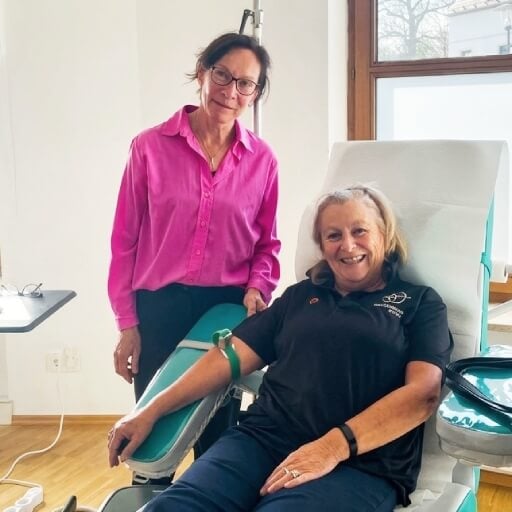
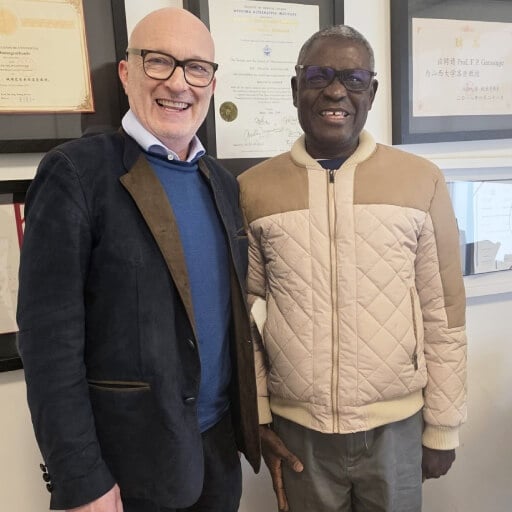
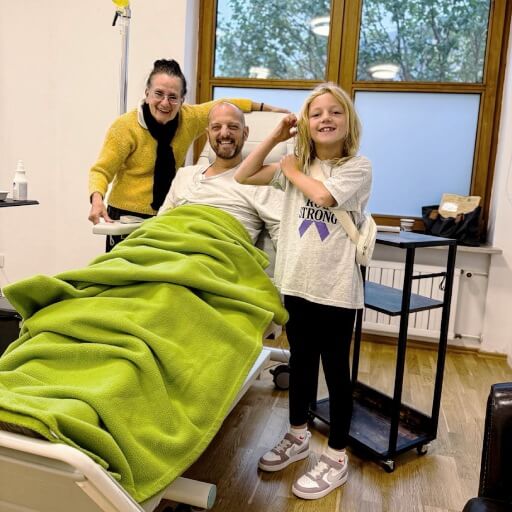
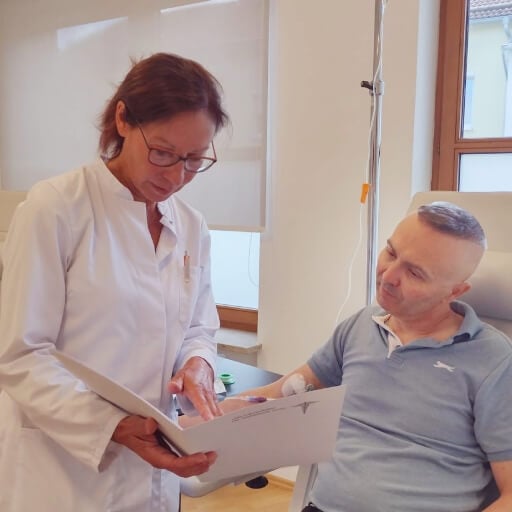
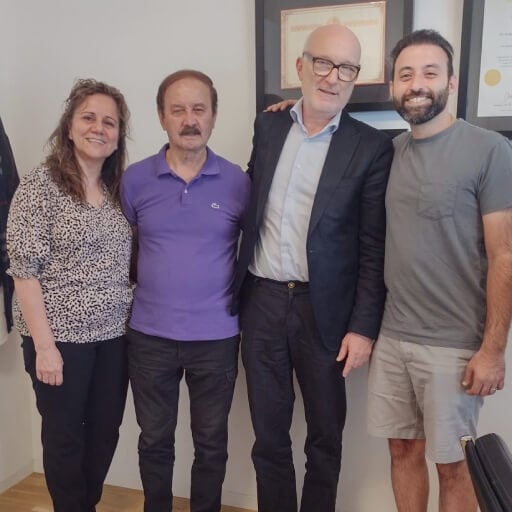
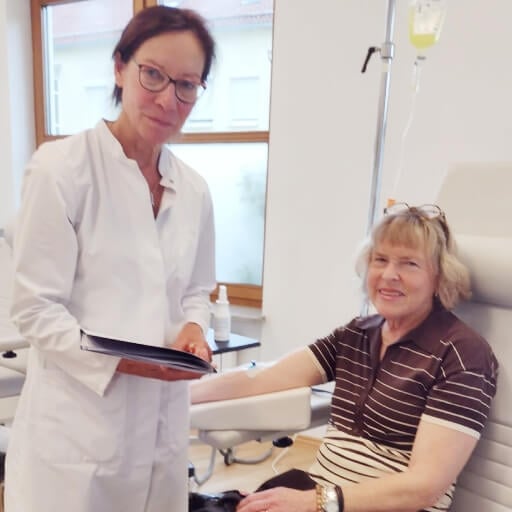
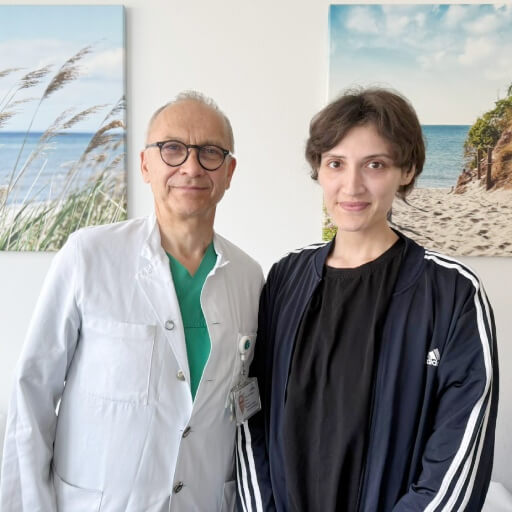
In particular, Harmohan Kaur, a patient with stage 4 esophageal cancer symptoms was treated in LDG Laboratories Dr. Gansauge Berg under the direct supervision of Professor Gansauge. She described her experience as calm and well-organized, stressing that the professor's personalized approach and high level of medical infrastructure gave her confidence in the correctness of the chosen strategy. Her history retains its main meaning: even with a complex prognosis, modern methods and expert support can change the course of the disease and give the patient real hope.
Cancer Treatment Abroad: Patient Experiences with Booking Health

A Medical Journey: Every Step of the Way With Booking Health
Finding the best treatment strategy for your clinical situation is a challenging task. Being already exhausted from multiple treatment sessions, having consulted numerous specialists, and having tried various therapeutic interventions, you may be lost in all the information given by the doctors. In such a situation, it is easy to choose a first-hand option or to follow standardized therapeutic protocols with a long list of adverse effects instead of selecting highly specialized innovative treatment options.
To make an informed choice and get a personalized cancer management plan, which will be tailored to your specific clinical situation, consult medical experts at Booking Health. Being at the forefront of offering the latest medical innovations for already 12 years, Booking Health possesses solid expertise in creating complex cancer management programs in each case. As a reputable company, Booking Health offers personalized stage 4 esophageal cancer treatment plans with direct clinic booking and full support at every stage, from organizational processes to assistance during treatment. We provide:
- Assessment and analysis of medical reports
- Development of the medical care program
- Selection of a suitable treatment location
- Preparation of medical documents and forwarding to a suitable clinic
- Preparatory consultations with clinicians for the development of medical care programs
- Expert advice during the hospital stay
- Follow-up care after the patient returns to their native country after completing the medical care program
- Taking care of formalities as part of the preparation for the medical care program
- Coordination and organization of the patient's stay in a foreign country
- Assistance with visas and tickets
- A personal coordinator and interpreter with 24/7 support
- Transparent budgeting with no hidden costs
Health is an invaluable aspect of our lives. Delegating management of something so fragile yet precious should be done only to experts with proven experience and a reputation. Booking Health is a trustworthy partner who assists you on the way of pursuing stronger health and a better quality of life. Contact our medical consultant to learn more about the possibilities of personalized treatment with innovative methods for metastatic esophageal cancer with leading specialists in this field.
Frequently Asked Questions of Our Patients About Stage 4 Esophageal Cancer
Send request for treatmentStage 4 metastatic esophageal cancer is a form where the tumor spreads beyond the esophagus to distant organs – liver, lungs, bones, and lymph nodes.
The total survival rate is about 5-20% over 5 years and depends on the selected esophageal cancer stage 4 treatment, concomitant diseases, and response to therapy.
A full recovery is unlikely, but modern treatment for stage 4 esophageal cancer can prolong life expectancy and improve the quality of life.
Without therapy, it is usually 3-12 months, but individualized esophageal cancer treatment stage 4 can extend the lives of individual patients by years.
Some patients with stage 4 esophageal cancer, with a modern approach, can control the disease as a chronic process.
The most common stage 4 esophageal cancer symptoms are dysphagia, weight loss, chest pain, cough, and wheezing.
The standard in oncology includes chemotherapy, radiation therapy, and hospice care. Targeted therapy, immunotherapy, hyperthermia, TACE, and other FDA-approved drugs corresponding to modern guidelines are additionally used.
Complete remission is rare, but partial response or prolonged stabilization is possible thanks to modern approaches.
There are distant metastases at this stage, while the early forms are localized and more often subject to surgical treatment after confirmation through endoscopy and biopsy.
Metastases are commonly found in lymph nodes, liver, lungs, and bones, affecting prognosis and choice of treatment of esophageal cancer in the fourth stage.
For stage 4 esophageal cancer, the 2-year survival rate averages around 25% with standard treatments. In turn, innovative therapies (e.g., dendritic cell therapy, TACE, and electrochemotherapy (ECT)) can raise survival to approximately 60%.
In stage 4 esophageal cancer, the response rate for standard chemotherapy is usually below 10%. On the other hand, innovative methods (e.g., ECT, thermal ablation, and dendritic cell therapy) achieve 45-65%.
Standard therapies for stage 4 esophageal cancer often involve multiple chemotherapy or radiation cycles over several months. In contrast, innovative procedures (e.g., TACE, cryoablation, dendritic cell therapy, etc.) are generally completed within up to one-four treatment sessions.
Standard treatment for stage 4 esophageal cancer can often lead to severe side effects like fatigue, nausea, and immune suppression. Meanwhile, innovative options (e.g., TACE, ECT, or hyperthermia therapy) usually cause only mild, localized discomfort.
At stage 4, treatment is often chosen not only to slow tumor growth but also to control symptoms. Advanced treatment methods (such as interventional radiology, TACE, dendritic cell therapy, and hyperthermia) control tumor growth, thereby providing excellent symptom control.
For advanced esophageal cancer, the key factor is how well complex therapies are coordinated. German centers experienced in interventional oncology can combine local tumor control procedures with immune-based treatments and hyperthermia (thereby improving treatment outcomes).
Germany is often the final destination (because patients can access non-standard treatment combinations here). Here, advanced treatments are available under strict clinical monitoring (which provides the best possible treatment outcome).
Choose treatment abroad and you will be sure to get the best results!
Authors:
This article was edited by medical experts, board-certified doctors Dr. Nadezhda Ivanisova, and Dr. Bohdan Mykhalniuk. For the treatment of the conditions referred to in the article, you must consult a doctor; the information in the article is not intended for self-medication!
Our editorial policy, which details our commitment to accuracy and transparency, is available here. Click this link to review our policies.
Sources:
[1] Cancer Research UK. Survival for oesophageal cancer. https://www.cancerresearchuk.org/about-cancer/oesophageal-cancer/survival
[2] Yating Wang, Shiva Kumar R. Mukkamalla, Rasanjeet Singh, Susan Lyons. Esophageal Cancer. NCBI. Last Update: August 17, 2024. [NCBI]
[3] American Cancer Society. Treating Esophageal Cancer by Stage. https://www.cancer.org/cancer/types/esophagus-cancer/treating/by-stage.html
[4] Cancer Research UK. Heat and laser treatments for oesophageal cancer. https://www.cancerresearchuk.org/about-cancer/oesophageal-cancer/treatment/making-swallowing-easier/heat-laser
[5] Charlotte Egeland, Lene Baeksgaard, Helle Hjorth Johannesen et al. Endoscopic electrochemotherapy for esophageal cancer: a phase I clinical study. Endosc Int Open. 2018 May 25;6(6):E727–E734. doi: 10.1055/a-0590-4053. [DOI] [PMC free article]
[6] Giammaria Fiorentini, Camillo Aliberti, Massimo Tilli et al. Intra-arterial infusion of drug-eluting beads (DEBIRI) versus intravenous therapy (FOLFIRI) for hepatic metastases from colorectal cancer: final results of a phase III study. Anticancer Res. 2012 Apr;32(4):1387-95. [PubMed]
[7] Roman Volchenkov, Florian Sprater, Petra Vogelsang, Silke Appel. The 2011 Nobel Prize in physiology or medicine. Scand J Immunol. 2012 Jan;75(1):1-4. doi: 10.1111/j.1365-3083.2011.02663.x. [DOI] [PubMed]
[8] Yogesh Vashist, Kornelia Aigner, Miriam Dam, Sabine Gailhofer and Karl R. Aigner. Regional Chemotherapy Is a Valuable Second-Line Approach in Metastatic Esophageal Cancer after Failure to First-Line Palliative Treatment. Curr Oncol. 2022;29(7):4868-4878. https://doi.org/10.3390/curroncol29070386. [DOI]
[9] Mengjiao Wang, Jian Yang, Dafei Wang et al. The role of deep hyperthermia in IMRT in elderly patients with esophageal cancer: a retrospective cohort study. Radiat Oncol. 2025 May 15;20:76. doi: 10.1186/s13014-025-02661-4. [DOI] [PMC free article]
[10] Hui Qin, Xiaole Li, Shichao Duan, Shenglei Li, Minghua Ren. Hyperthermia Inhibits Growth and Stemness of Esophageal Squamous Cell Carcinoma Cells Through Promoting Degradation of GLI1. Stem Cells Int. 2025 Dec 11;2025:7249890. doi: 10.1155/sci/7249890. [DOI] [PMC free article]
Read:
Esophageal Cancer: Treatment in Germany
Robot-assisted treatment of esophageal diseases: Da Vinci system
Article menu:
- Standard Treatment Protocols for Stage 4 Esophageal Cancer
- Innovative Approaches in Esophageal Cancer Treatment Stage 4
- Comparative Table: Standard vs. Innovative Treatments for Stage 4 Esophageal Cancer
- Real Results in Advanced Esophageal Cancer
- A Medical Journey: Every Step of the Way With Booking Health
- Frequently Asked Questions of Our Patients About Stage 4 Esophageal Cancer
Don't know where to start?
Contact Booking Health